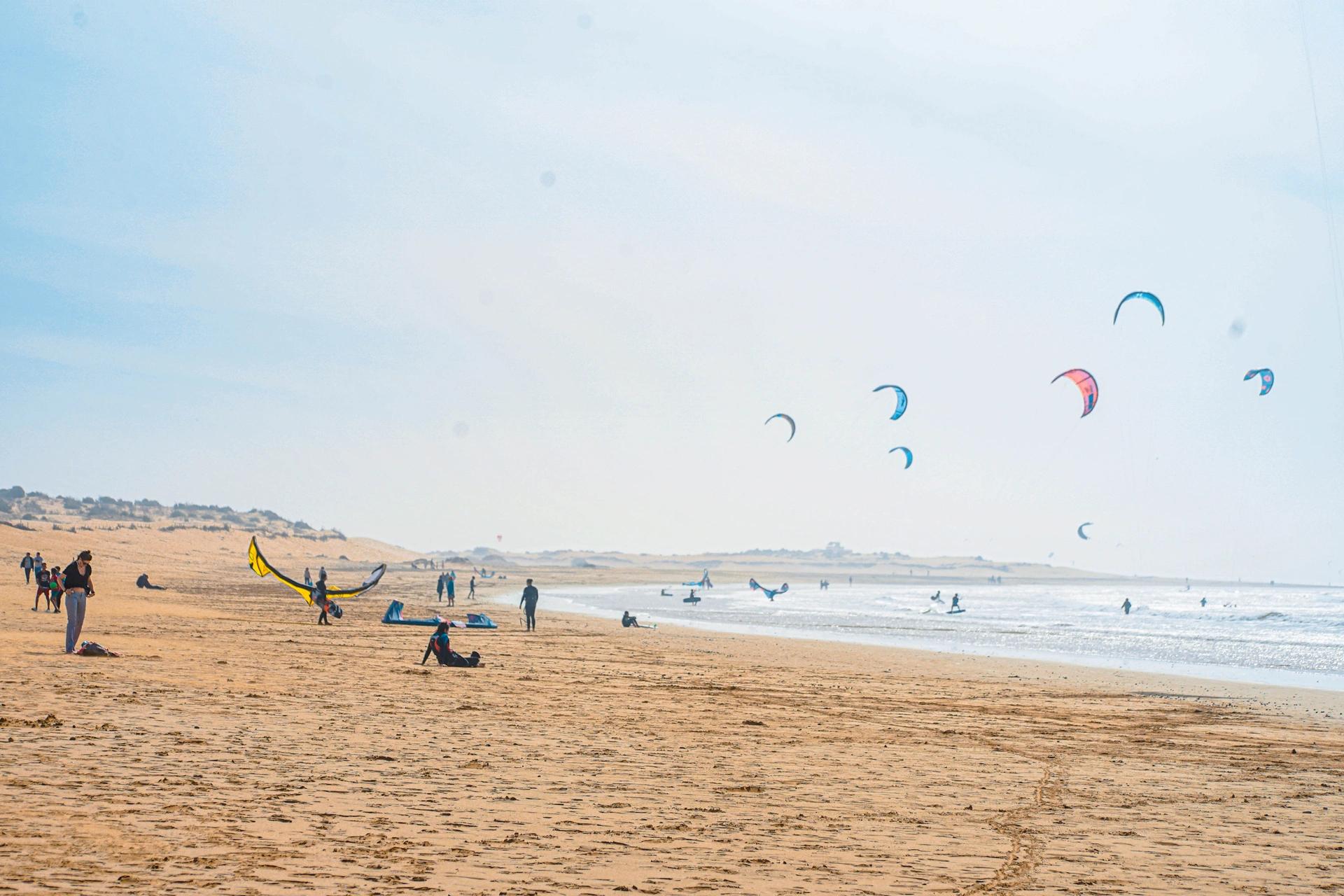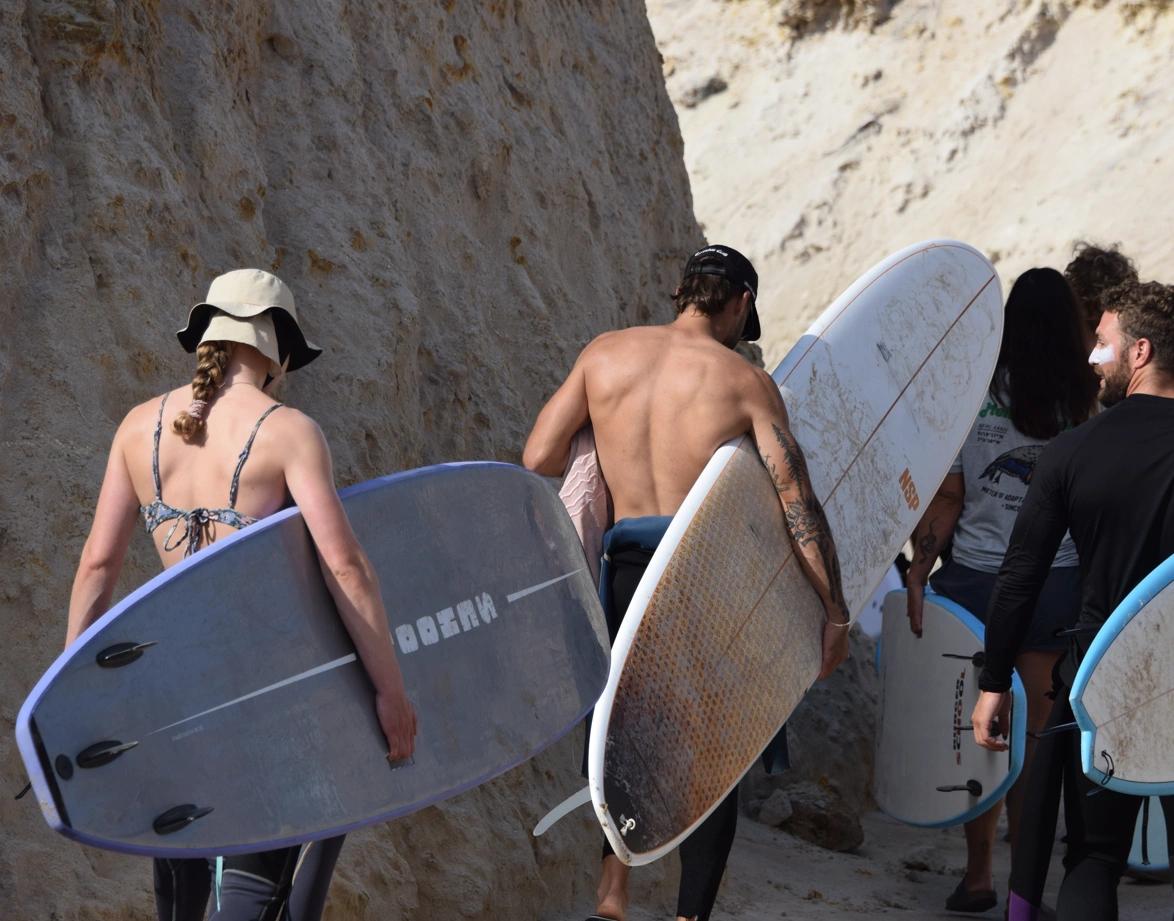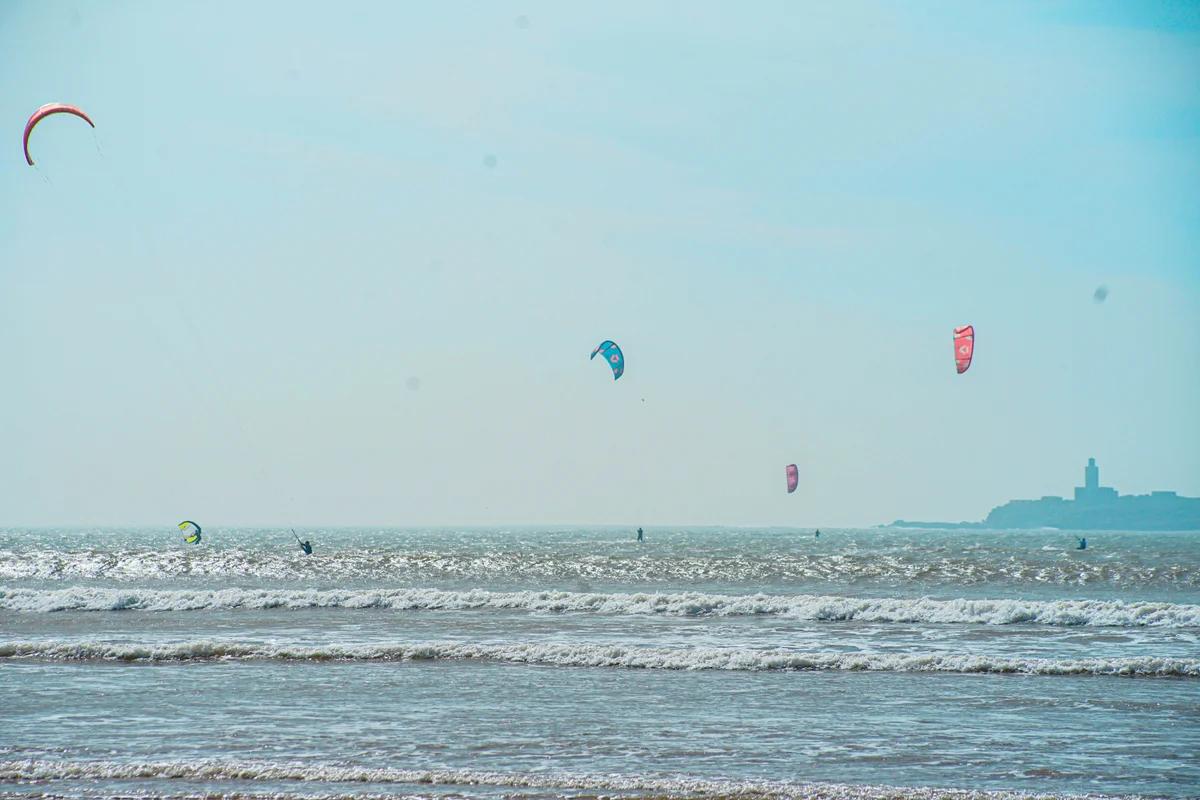

Morocco has dozens of surf spots. Taghazout gets the headlines. Tamraght fills up with surf camps every winter. Imsouane went viral. But Essaouira keeps doing something most of those places stopped doing a long time ago: it stays itself.
This is not a sales pitch. If all you want is the biggest waves in Morocco, there are spots further south that deliver bigger and more consistent barrels. But if you want to surf in a place that actually feels good to be in, where the city, the ocean, and the people all work together, Essaouira is hard to beat.
The Waves Are Real and They Show Up#
Essaouira sits on an exposed section of the Atlantic coast. The main beach picks up swell from multiple angles, and the bottom is a mix of sand and reef that creates different sections depending on the tide.
October through March is when the Atlantic delivers its strongest swell. Waves are consistent, well-formed, and frequent. You do not need to check forecasts for a week hoping for a window. The swell shows up, and it keeps showing up.
Summer has smaller waves but they still break. Mornings before the trade wind kicks in are often the cleanest window. You get smooth faces, lighter crowds, and enough push to practise technique without fighting overhead sets.
The beach works for beginners in the whitewash and for intermediates on the outside. It is not a one-trick spot. Different tide stages, different wind angles, and different swell directions create variety within the same stretch of sand. You do not ride the same wave twice.
For a breakdown of what to expect in your first sessions, our surf progression guide covers the real timeline from first pop-up to catching green waves.
A City That Has Not Lost Its Identity#
This is where Essaouira separates from most surf destinations in Morocco.
Taghazout was a fishing village. Then surf tourism arrived, and now the coastline is lined with construction, foreign-owned cafes, and surf camps stacked on top of each other. The local identity got pushed to the edges. That pattern repeats across popular surf towns worldwide. Once a place gets "discovered," it starts performing for tourists instead of existing for the people who live there.
Essaouira avoided that. The medina is UNESCO-protected, which means no one can tear it apart and rebuild it for tourists. The walls are the same walls. The fish market sells to locals first. The streets are walked by families, artisans, and musicians who were here before any surfer showed up.
Tourism exists in Essaouira, but it has not consumed the city. You eat at the same restaurants as the fishermen. You walk the same streets as the people who live here year-round. The city does not change personality when the tourists arrive. It just makes room.
That matters for your trip because it means you experience something real. The tagine you eat is the tagine they eat. The harbour you walk past is a working harbour. The medina is not a museum or a backdrop for photos. People live there, work there, argue there. You are visiting a place, not a product.
Small Enough to Walk, Big Enough to Explore#
Essaouira's beach is inside the city. You can walk from your riad in the medina to the sand in minutes. No shuttle, no transfer, no 45-minute drive to the spot. You wake up, eat breakfast, and you are on the beach.
This changes how your days feel. You are not locked into a surf camp schedule or dependent on a van. You surf when you want, stop when you want, walk to a cafe, eat, go back out, and you have not wasted a single minute on logistics. The typical day flows naturally: morning session, lunch at a beachfront spot, optional second session, then the medina in the evening.
But the city is not so small that you run out of things to do on rest days. The medina has enough restaurants, shops, and galleries to keep you busy. The harbour is worth an hour. The ramparts have a view that earns its own section in your memory. Moroccan food here is excellent: fresh fish straight from the boats, tagine, couscous, seffa. And if you want to go further, Imsouane and Sidi Kaouki are day-trip distance.
The People Make It Work#
Essaouira has a reputation among Moroccan cities for being laid-back. That reputation is earned.
The harassment that some travelers experience in larger cities like Marrakech is not the norm here. People greet you, they might invite you for tea, but the pressure is low. Solo travelers, couples, and groups all feel comfortable walking the streets and the beach without stress.
The surf community reflects that. There is no aggressive localism. The beach is big enough that you do not fight for waves. Instructors know each other, riders respect the lineup, and the atmosphere is cooperative rather than competitive. You share the water because there is enough of it to share.
For women traveling alone, Essaouira is one of the most comfortable cities in Morocco. The beach area is relaxed and international. The medina is walkable and safe during the day. The overall feeling is calm, not guarded.
History You Can Actually Feel#
Essaouira is not a resort town that happened to get old. It was a strategic Atlantic port, a center for trade between Morocco, Europe, and sub-Saharan Africa. The Portuguese fortified it. The Moroccan sultan rebuilt it with a French architect in the 18th century. Jewish, Muslim, and Gnawa communities shaped its culture for centuries.
That history is not behind glass. You walk through it. The Skala de la Ville fortifications, the mellah (old Jewish quarter), the Gnawa music that fills the streets during the annual festival and on random evenings in small cafes. Jimi Hendrix came here. Orson Welles filmed here. The city attracted creative people because it had something that could not be manufactured.
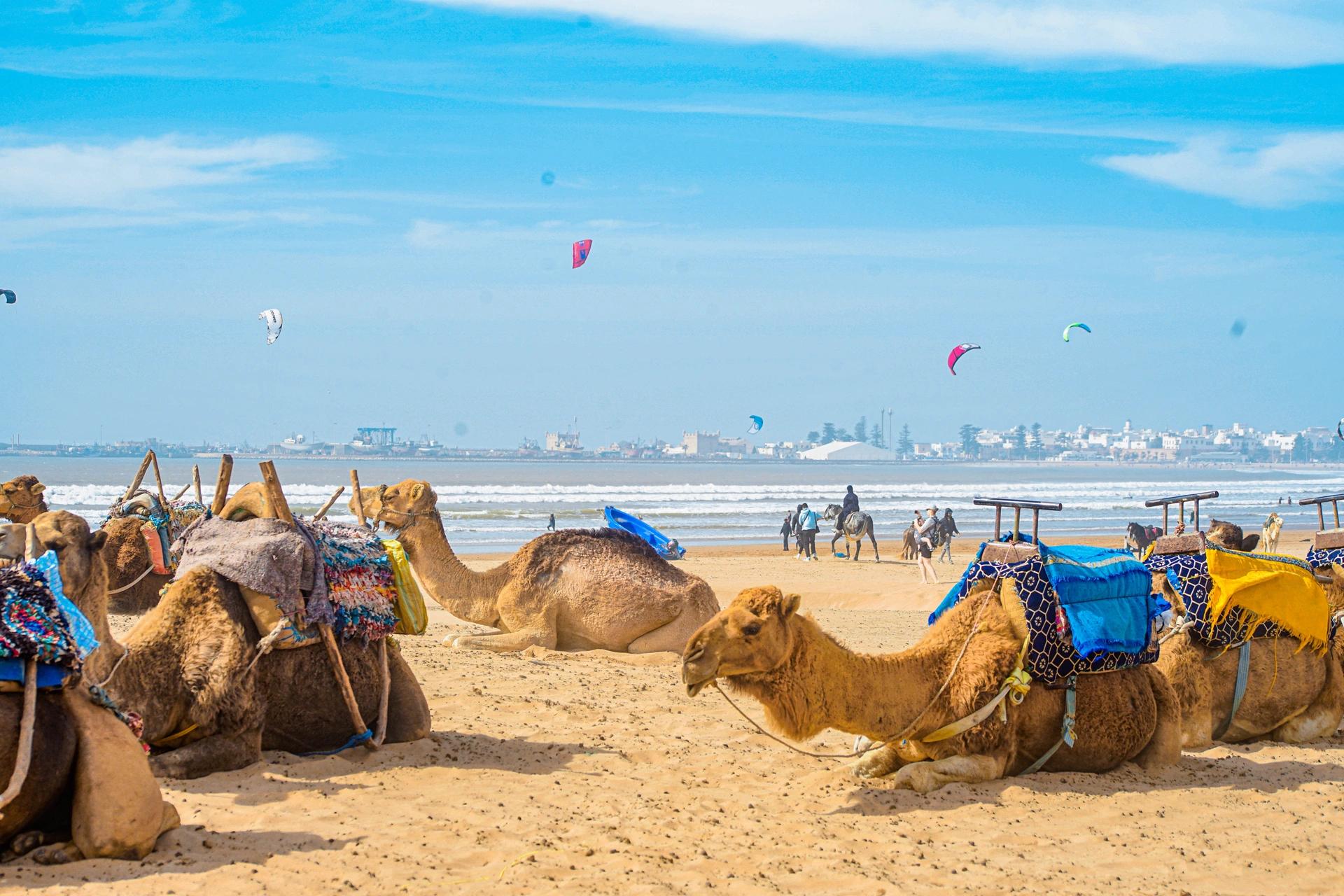
When you surf in Essaouira, you surf in front of those ramparts. Camels walk the beach. The setting is not designed. It is just what happens when a city has been doing its thing for 300 years and a good wave happens to break in front of it.
Bluboarding Is Here#
We teach surf in Essaouira because this is where it makes sense.
The beach works for all levels. The city supports the kind of trip where you actually enjoy yourself between sessions. The conditions are consistent enough to build real progression. And we know the place because we live here. We know which section of the beach works best with the morning tide. We know when the wind is about to kill the surf and when it will hold off for another hour. We know the restaurant where the fish was caught three hours ago.
Our surf lessons run in private, semi-private, and group formats. The structure is the same regardless: beach theory, water session, debrief. The difference is how much individual attention you get. If you want to go beyond the main beach after building confidence, we run group day trips to Imsouane and Sidi Kaouki where the waves are longer, the setting is wilder, and the experience is something you carry home.
You can check surf lesson formats here or book directly if you already know your dates.
Frequently Asked Questions#
Is Essaouira good for beginner surfers?
Yes. The main beach has a wide whitewash zone that works for first-timers, and the team teaches beginners year-round. Conditions vary by season but the beach always has something rideable for learners.
When is the best time to surf in Essaouira?
October through March brings the strongest and most consistent swell. Summer waves are smaller but still surfable, especially in the morning before the wind builds. Our kitesurfing seasonal guide covers wind patterns if you want to combine sports.
Is Essaouira crowded?
Compared to Taghazout or Tamraght, no. The beach is wide and the city does not attract the same volume of surf tourists. Peak summer has more visitors but the water never feels packed.
Can I surf and do other things in the same trip?
Easily. The beach is inside the city. You can surf in the morning, explore the medina in the afternoon, and eat dinner at the harbour. No transport needed. Rest days are never boring.
Is Essaouira safe?
Yes. The city is known for being relaxed and welcoming. Solo travelers, including women, consistently report feeling comfortable. Low pressure, friendly people, calm atmosphere.
How do I get to Essaouira?
Direct flights from Madrid, Paris, London, Brussels, Marseille, and Lisbon land at Essaouira airport (ESU). You can also fly into Marrakech or Agadir and drive or bus in about 2.5 hours. Some direct flights may be seasonal. We recommend checking current schedules or reaching out to us for the latest availability.
What makes Essaouira different from other Moroccan surf spots?
The city. Most surf spots in Morocco are either remote beach breaks or small villages that have been reshaped by tourism. Essaouira is a living, UNESCO-protected city with its own culture, history, and identity. You surf in front of it, not instead of it.
Does Bluboarding teach surf in Essaouira?
Yes. We run private, semi-private, and group surf lessons on the main beach, plus day trips to Imsouane and Sidi Kaouki for riders who want to explore further.
Local coaching team based in Essaouira with over a decade of daily surf sessions on this coast. We know every sandbar, every tide shift, every quiet morning before the wind picks up.